 Skip to content

Posts by Michael Mount Waldorf School
World Waldorf Early Childhood Conference

The conference marked the centenary of Waldorf early childhood education and brought together colleagues from around the world in a spirit of celebration, gratitude and renewed commitment. It offered an opportunity to honour the pioneers whose vision, courage and dedication laid the foundations of the worldwide Waldorf early childhood movement.
Read MoreOn AI and Creating

We have to start rejecting the idea that we are all replaceable. There is something fundamental that we can do that AI cannot. AI will take over all the monotonous tasks and we will be left with making the work that requires some soul and real critical thinking.
Read MoreClass 3 – Age 9 – The Rubicon Year

In the 9th year of a child’s life, they go through a change. In the Waldorf school, we call this the Rubicon year. It is the first time the child sees themselves as separate from the world. They start to see themselves as ‘I am here’ and ‘the world is there’. This is the second birthing of the ‘I’. The first occurs around the age of 3, when the child can express themselves as ‘I’ for the first time. This time it is the birthing of their self-awareness.
Read MoreThe Power of Rhythm: How Waldorf Education Builds Resilience

Rhythm is one of the most powerful and supportive tools we offer children. It creates a sense of security, builds resilience, and allows learning to unfold with confidence and calm. This is how Waldorf Education builds resilience.
Read MoreAnthroposophy and Waldorf Education in South Africa
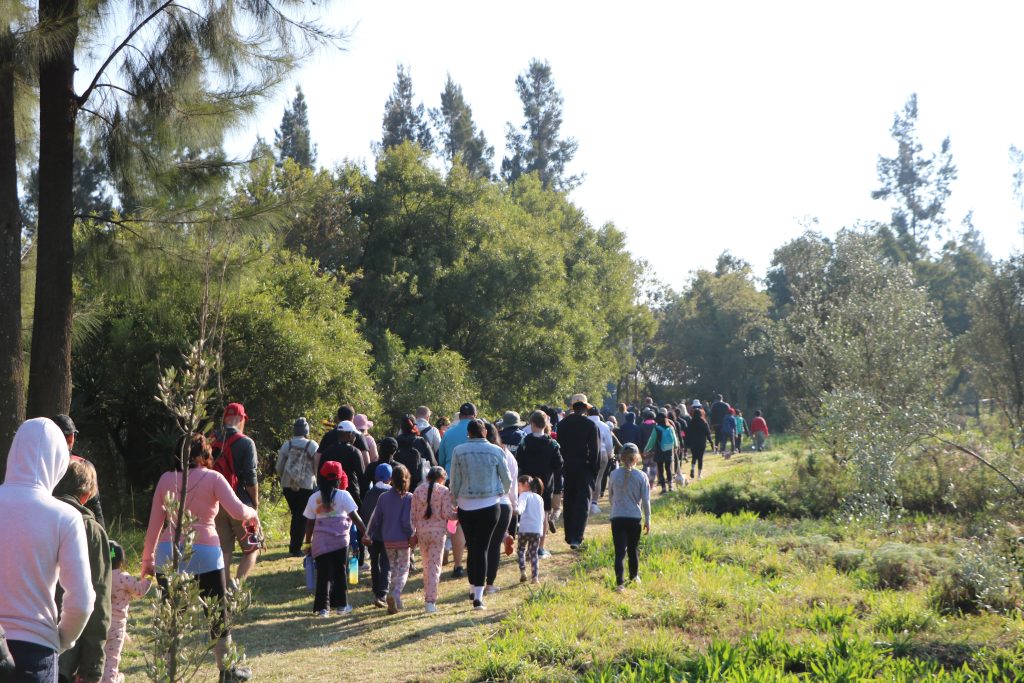
At the heart of Waldorf education in South Africa lies our greater purpose: to nurture conscious individuals through dynamic education.
This purpose remains not merely a statement, but a living intention that guides our work and continually asks how we meet the needs of children in a rapidly changing world, while remaining rooted in what is essential.
Read MoreThe Waldorf Kindergarten and the Kindergarten Child
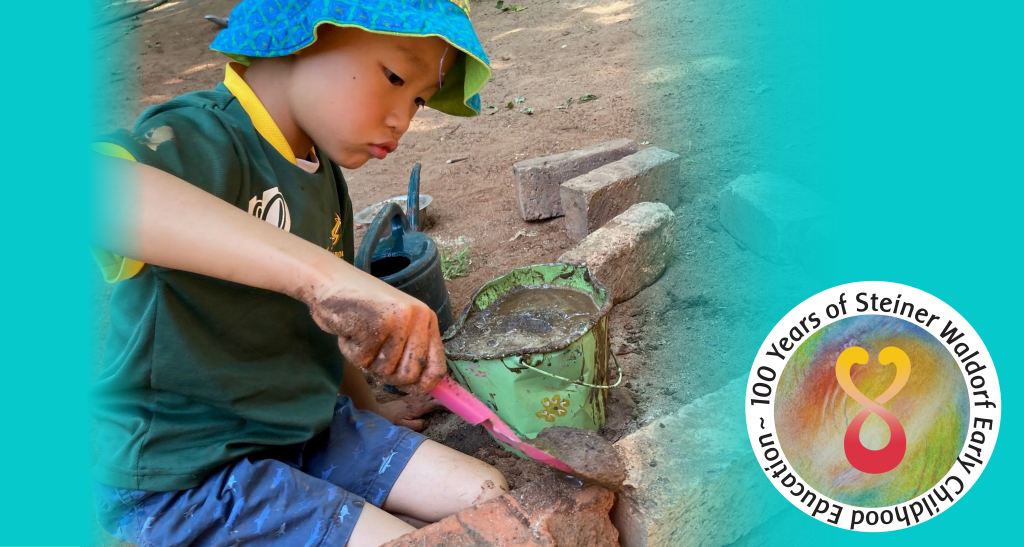
We need a place where children can be children, where living conditions allow them to flourish, where there is time, no pressure, no rush, no fear. This place, is the Waldorf Kindergarten.
Read MoreThe First Waldorf Kindergarten: The Beginnings of Our Waldorf Early Childhood Movement
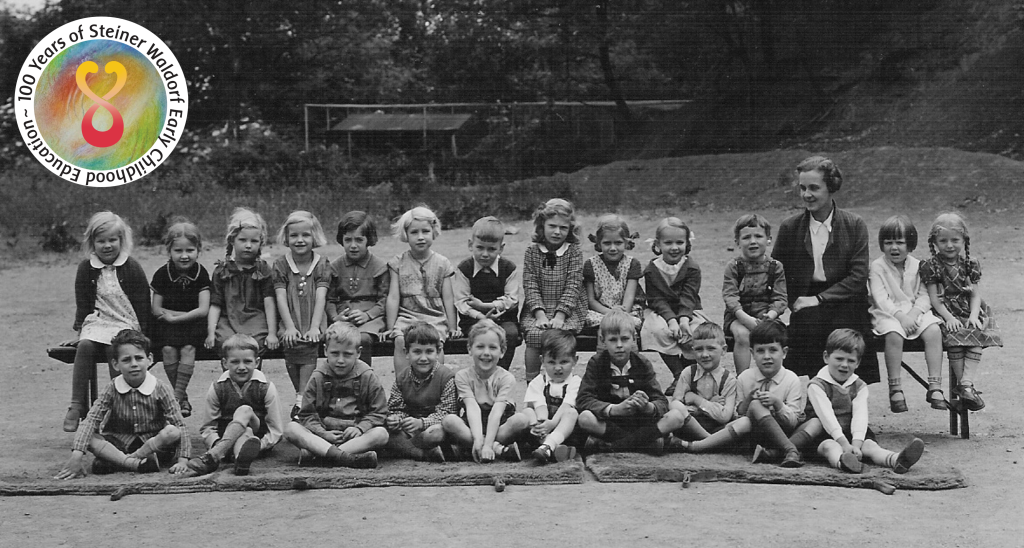
Even before the opening of the first Waldorf School in 1919, Rudolf Steiner had spoken about the importance of the first seven years of life and his regret that the class teachers would receive the children only after this formative period was complete.
Read MoreDrawing and Memory in Children: Science Confirms Children Who Draw Frequently Build Powerful Memory Strength and Learning Skills
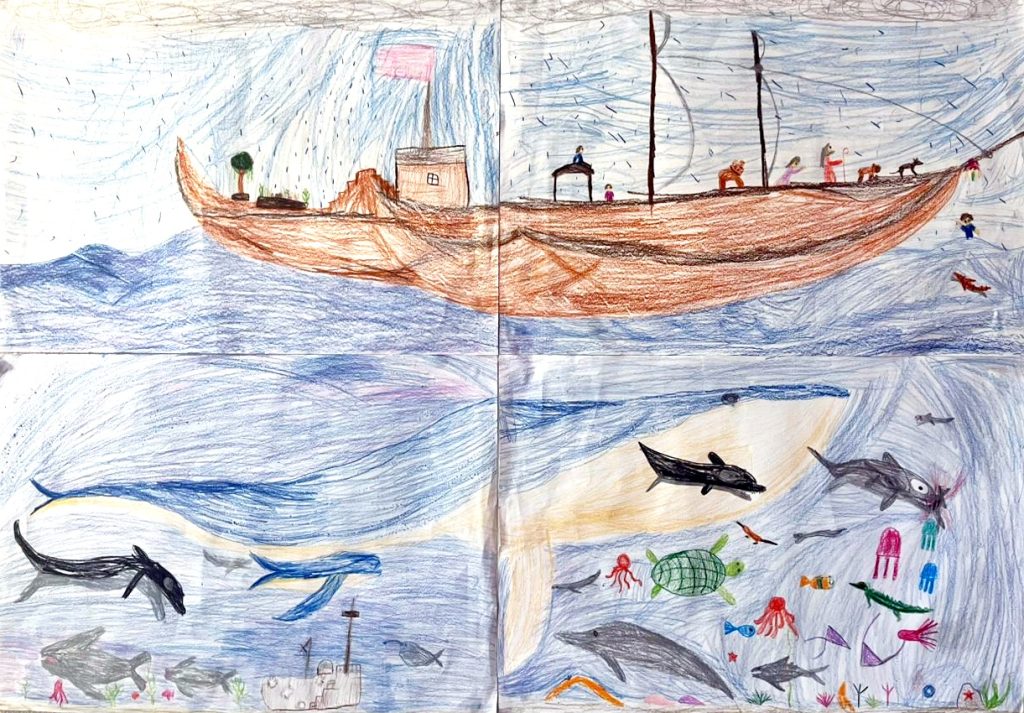
Research reveals how drawing engages working memory and executive functions to build stronger recall, language skills, and school readiness in young children.
Read More4 Unique Aspects of a Waldorf Kindergarten
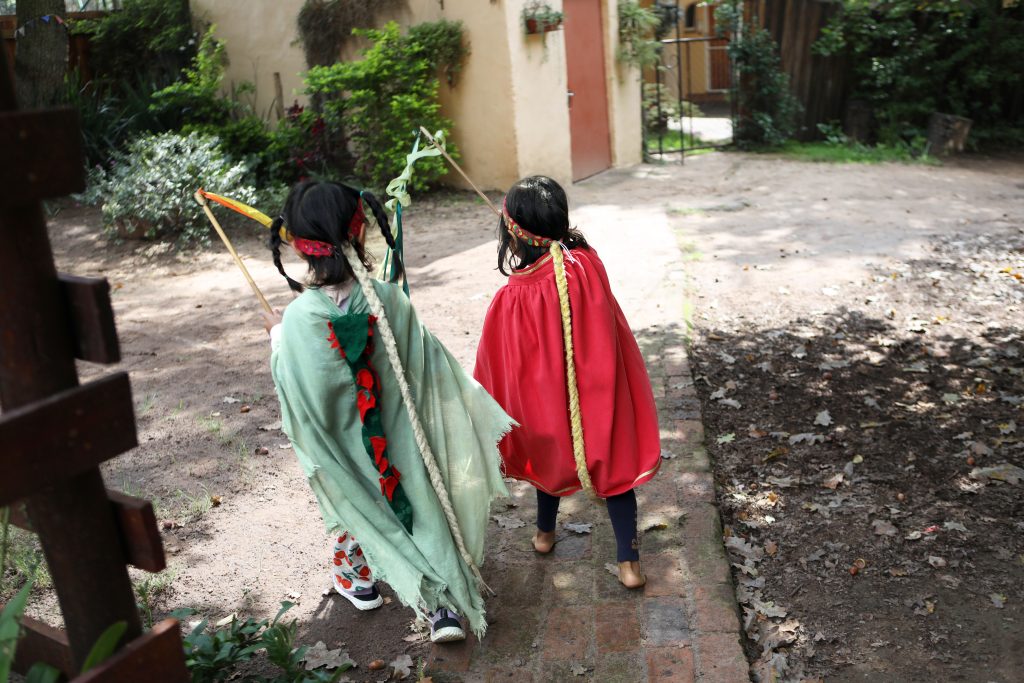
There are many things that contribute to this unique setting, including the natural classroom design, the smell of fresh bread or soup, or the way the teachers move about the room doing purposeful work.
There is also a deeper level of social, emotional and academic learning in the Waldorf Kindergarten that is a pervasive undercurrent in the daily rhythm of our early childhood classrooms.
Read MoreFuture-Proofing Your Child for an AI World
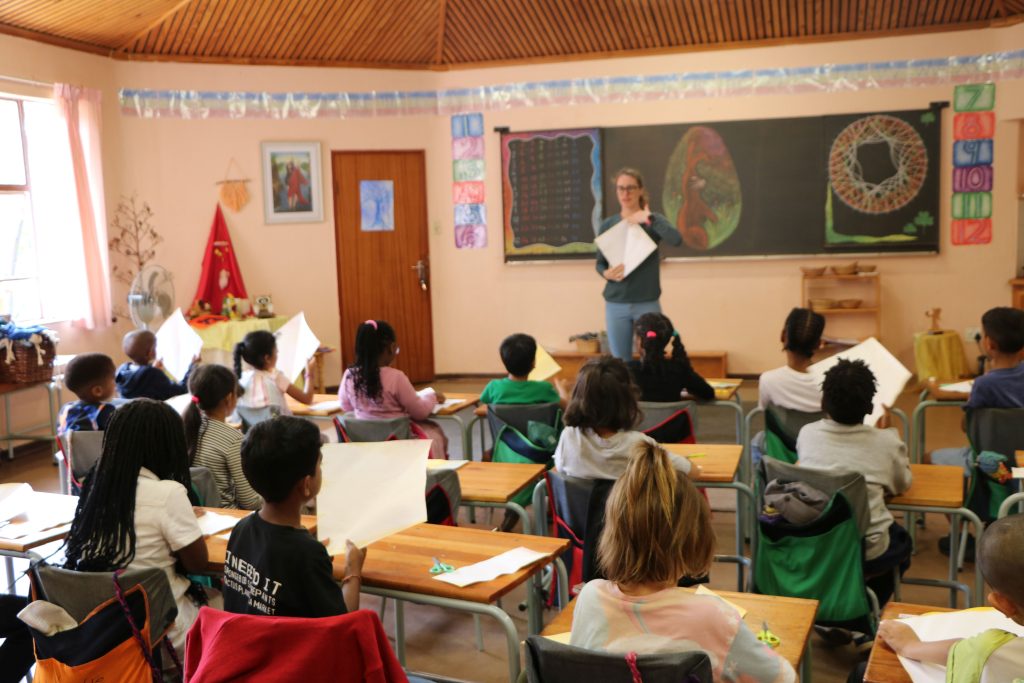
Leading economists are increasingly clear about what the future workforce will need. As artificial intelligence takes over more technical and routine tasks, the skills that will set humans apart are those AI cannot replicate: empathy, creativity, curiosity, collaboration, and resilience. These aren’t just nice-to-have qualities anymore – they’re essential preparation for technological disruption.
Read More