 Skip to content
Posts by Michael Mount Waldorf School
How screen time affects toddlers: ‘We’re losing a big part of being human’

In the UK, 98% of two-year-olds watch screens on a typical day, on average for more than two hours – and almost 40% of three- to five-year-olds use social media. Could this lead to alarming outcomes?
Read MoreCelebrating 100 Years of Waldorf Early Childhood Education
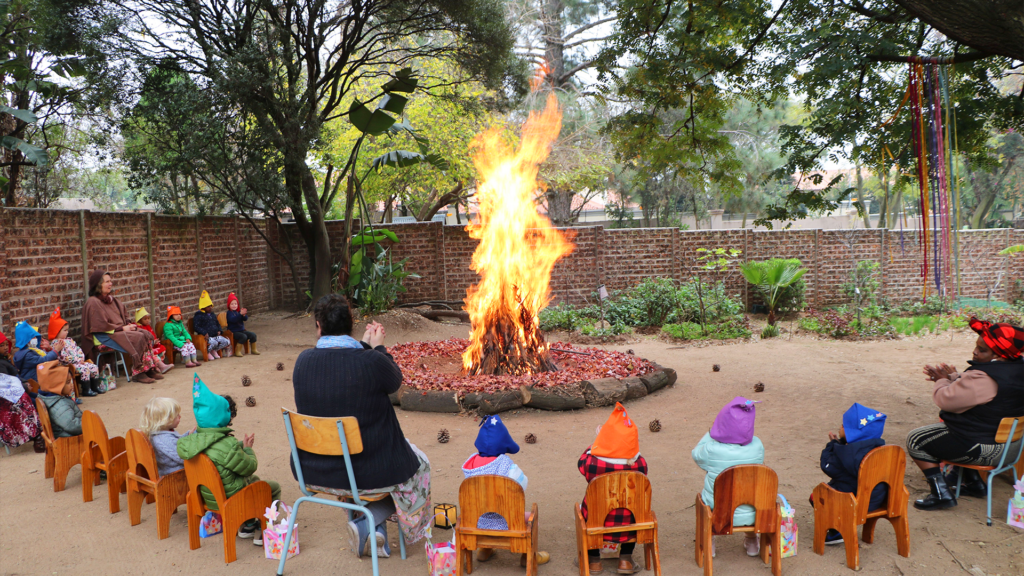
Celebrating 100 years of Waldorf Early Childhood with “Becoming”, the third film in a series of short films produced on the occasion of the centenary of Waldorf Education under the direction of the award-winning Californian documentary filmmaker Paul Zehrer.
Read MoreThe Light of Advent
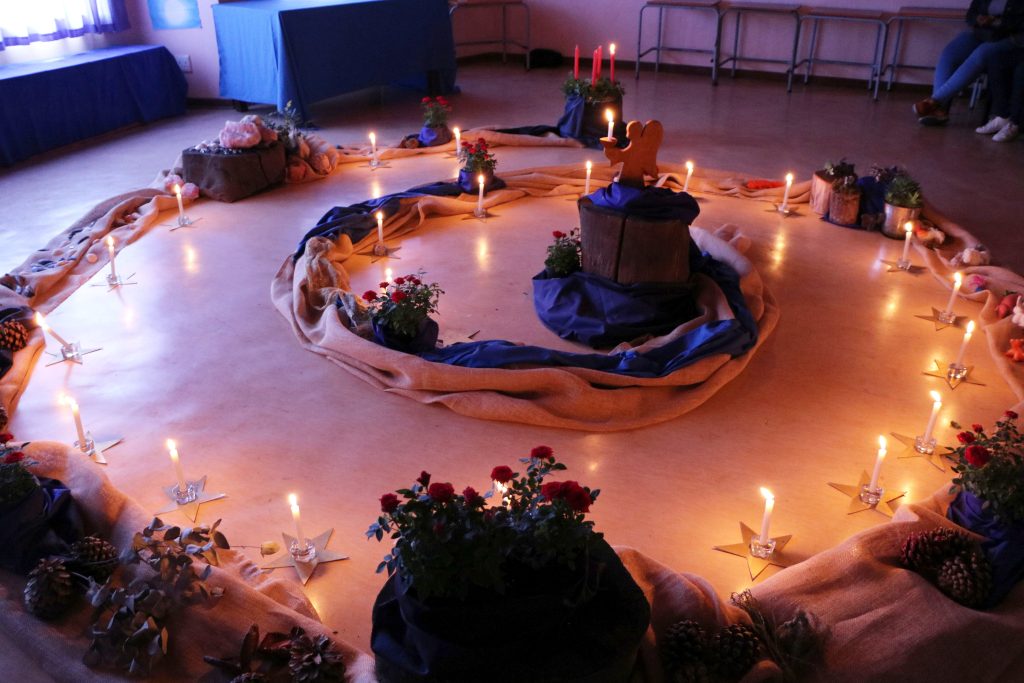
In Waldorf schools, the rhythm of the seasons is embraced through the celebration of festivals, which lift us out of our daily stresses and invite us to tune into the beautiful cycles of nature. Advent marks the start of the Christmastide, and spans the four weeks leading up to Christmas Day.
Read MoreWhat on Earth is Eurythmy?
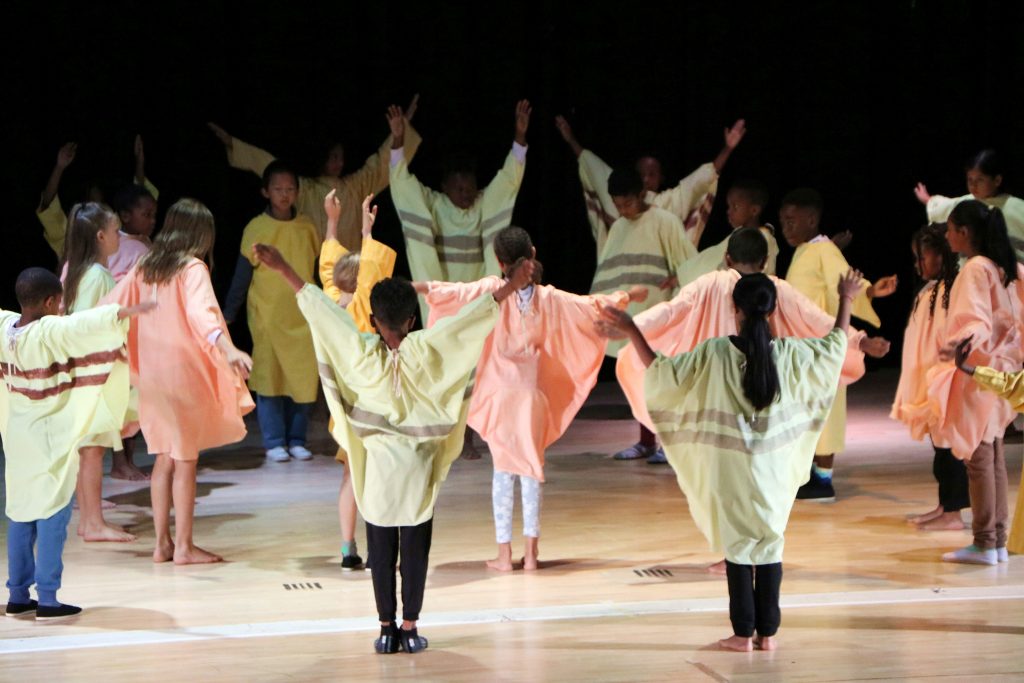
This dance form is an essential part of the curriculum in Waldorf schools. Eurythmy has its echo in another topic unique to Waldorf schools, Form Drawing. This kind of drawing builds a spatial awareness in children, and leads them to know the drawing of line as movement come to stillness. In Eurythmy, many of these forms would appear on the floor if the feet were made of chalk!
Read MoreThe Science Behind Form Drawing
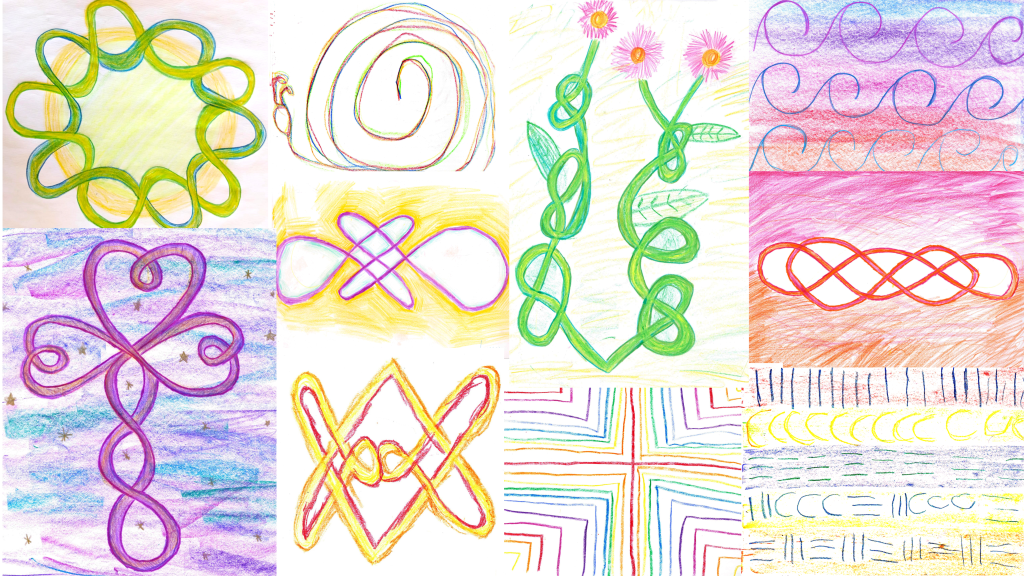
Form drawing is an integral subject of the curriculum at a Waldorf School. This subject, unique to Waldorf pedagogy, offers a way to develop children’s spatial awareness, hand-eye coordination, and a deep understanding of shapes, patterns, and spatial relationships that goes beyond mere visual perception. Form drawing goes beyond mere drawing exercises, through this remarkable artistic and geometric practice, we lay the foundation for various academic and practical skills while nurturing our students’ wholesome and healthy development.
Read MoreThriving in a Future Driven by AI: A Tech Leader’s Reflections

Tech leader and AI entrepreneur, Rob Wray, weighs in on how we should prepare children for an AI-enhanced future. He has chosen to send his child to a Waldorf School, because he says that key traits like resourcefulness, curiosity, emotional intelligence, and creativity are things no machine can replicate. Encouraging play, experimentation, and open-ended problem-solving lays the groundwork for thriving in a future driven by AI.
Read MoreResearch on What Makes Learning ‘Stick’
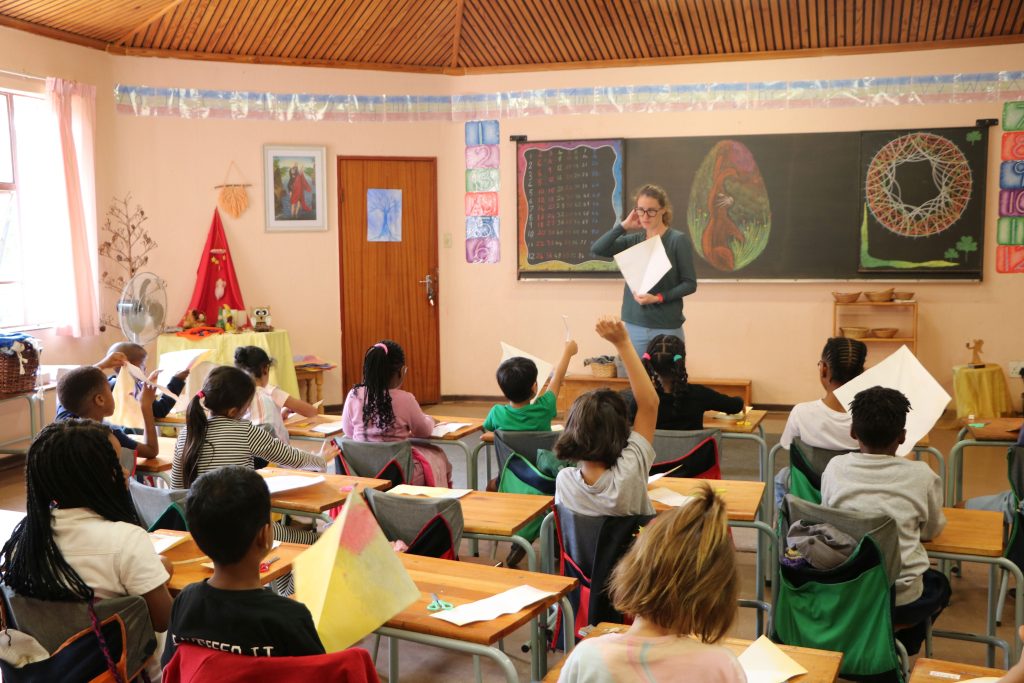
In Waldorf Education, connections are constantly being made between lessons. Spanning from connections in history that cross over to movement (when students learn to throw a Javelin while studying Greek History) or connections between theatre productions that directly mirror in classroom studies. The impact? “At a neural level, the strength of a memory depends largely on how many connections are made to other memories when learning.
Read MoreAlumni Spotlight: Raidon Hunter-Swart, Class of 2023

Alumni Spotlight: Looking back, I know my Waldorf education gave me the courage and skills to step into this world. The Class 11 project, in particular, taught me that when you pursue something with passion and perseverance, doors open. To any student wondering where your journey may lead, trust the process, because it can take you further than you ever imagined.
Read MoreEducation for the Future of STEM
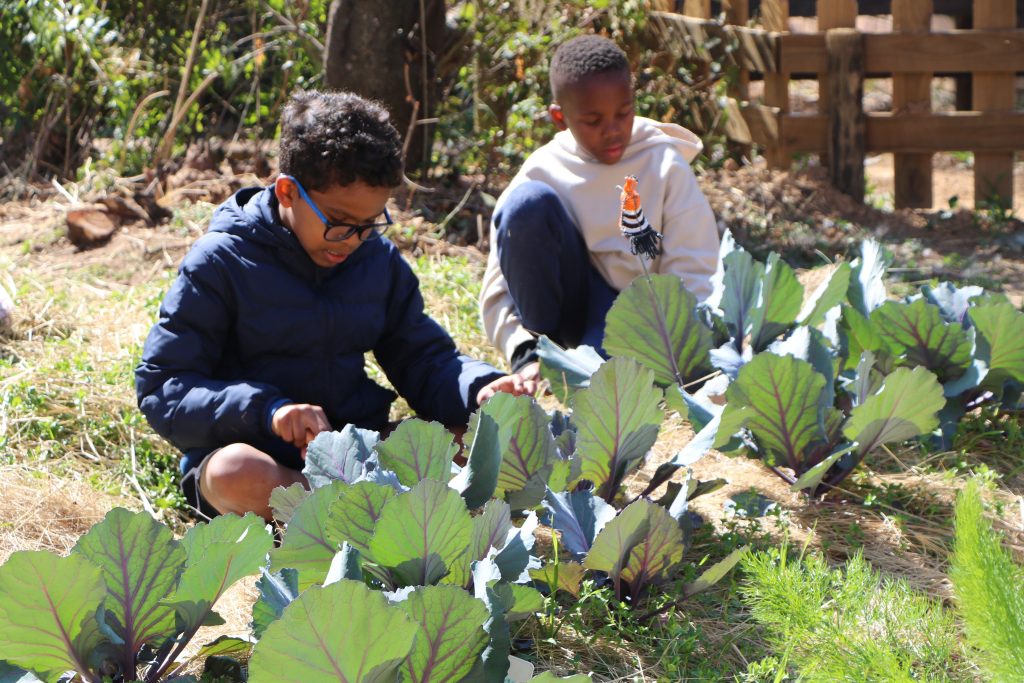
The human capacities nurtured during Early Childhood, the Early Grades and Middle School education have a profound, life-changing impact on every human being’s longterm success, life and impact on the world of the future. Countless components of Waldorf curriculum directly nurture problem solving, collaboration, adaptability, creativity, critical thinking and the innovation humans will need to solve the problems of the future.
Read MoreDiscover 4 Reasons for the importance of the Class Play in Waldorf Schools
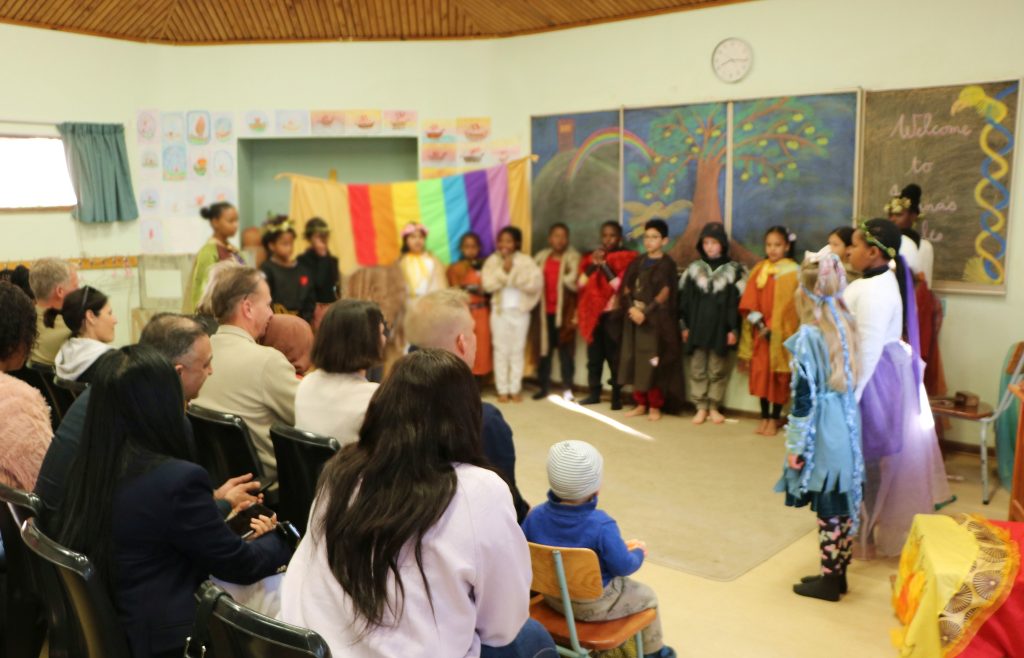
In Waldorf schools, the Class Play is a central component of the curriculum. It is not treated as an extra ‘nice to have’ or as solely an entertainment piece, but rather as an integrated learning experience that supports children’s academic, social, and personal development. Each year, the play is chosen to connect with the developmental stage of the class and the themes they are exploring in their lessons. The plays are therefore pedagogic in nature, because they support the development of skills, social growth, and creativity in ways that directly complement the curriculum.
Read More