
Posts by Michael Mount Waldorf School
Why Waldorf Education is Ideal for the Teenage Brain
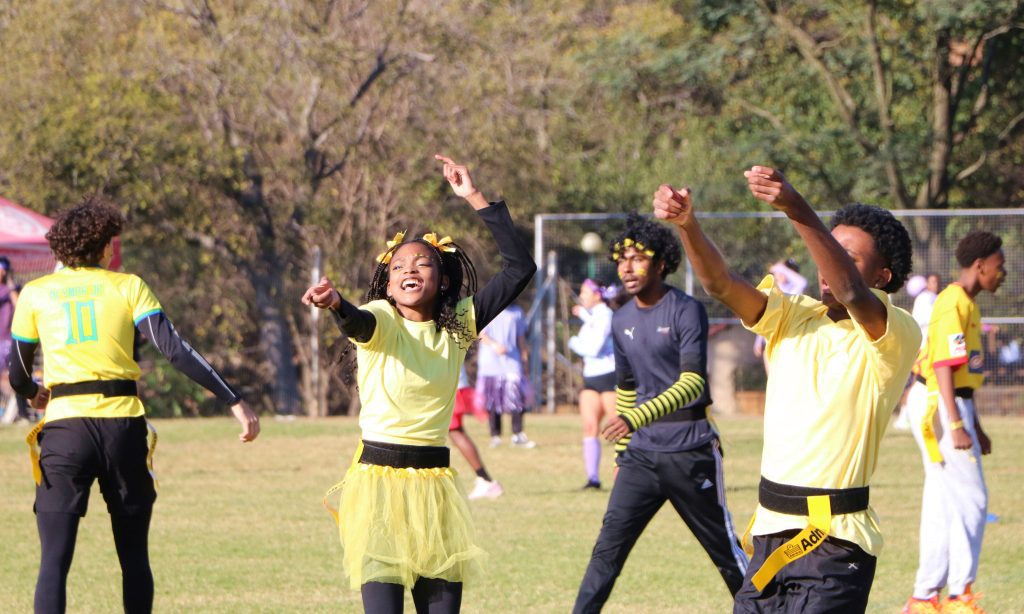
By understanding that the teenage brain is still developing, teachers, parents and families at Waldorf schools approach adolescent education and upbringing with increased thoughtfulness and appropriate expectations. Thus, Waldorf education provides a nurturing environment that works in harmony with teens’ neurobiological reality.
Read MoreConscious Governance – the Waldorf Way
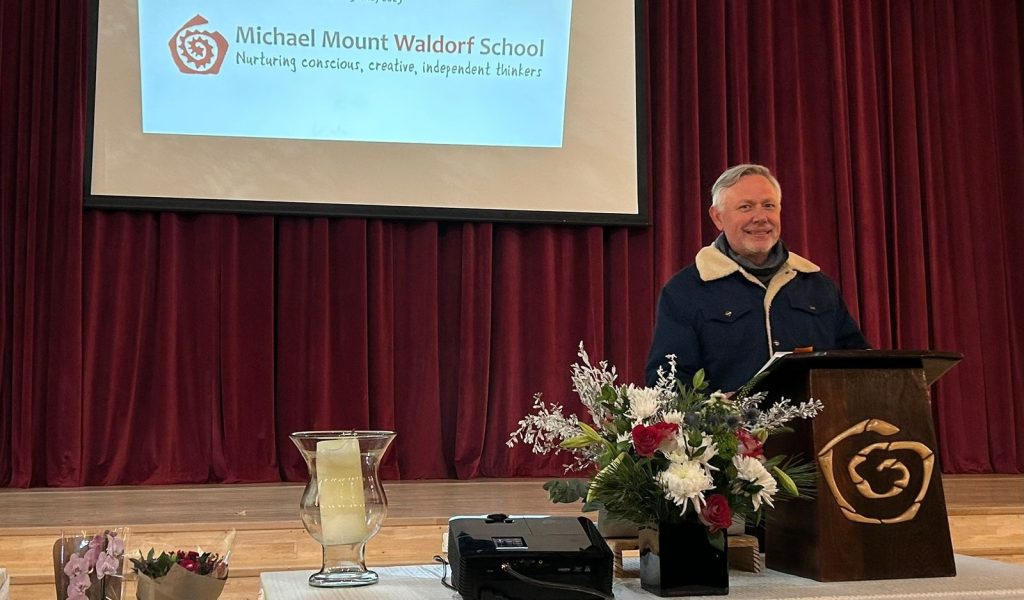
At Michael Mount Waldorf School, our governance is based on a clear commitment to human cooperation, common purpose, and shared responsibility. Rooted in Rudolf Steiner’s insights into social renewal, our structure reflects the balance of thinking, feeling, and willing.
Read MoreCultivating Global Citizenship in our Youth
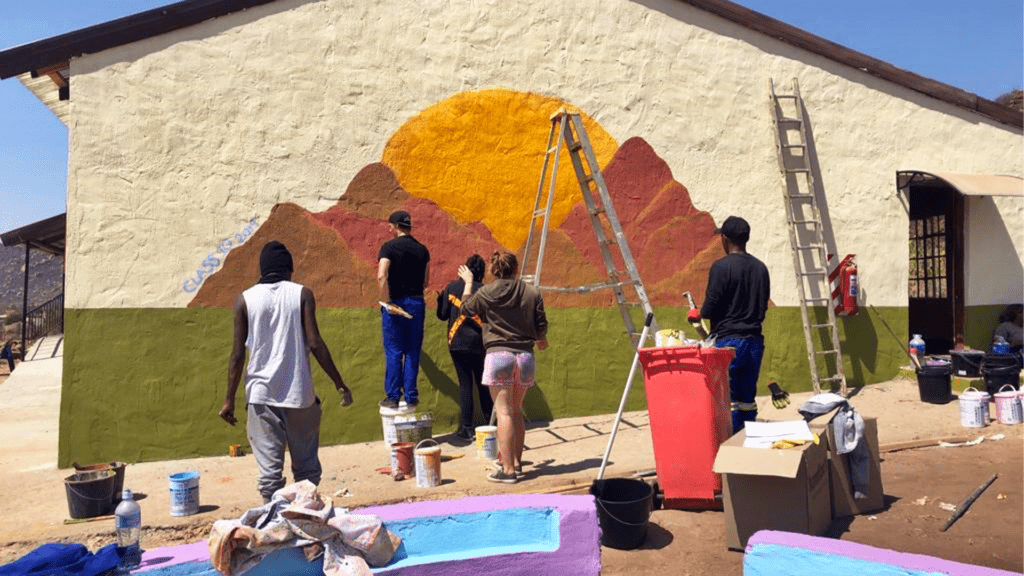
Waldorf education prepares children for life as aware, grounded individuals who know they belong to the world and have something meaningful to contribute. As some parts of the physical and virtual world grow more insular and isolating, we must continue to move in the opposite direction – toward connection and consciousness.
Read MoreBe Worthy of Imitation: Why Modeling Matters at Home and in Class
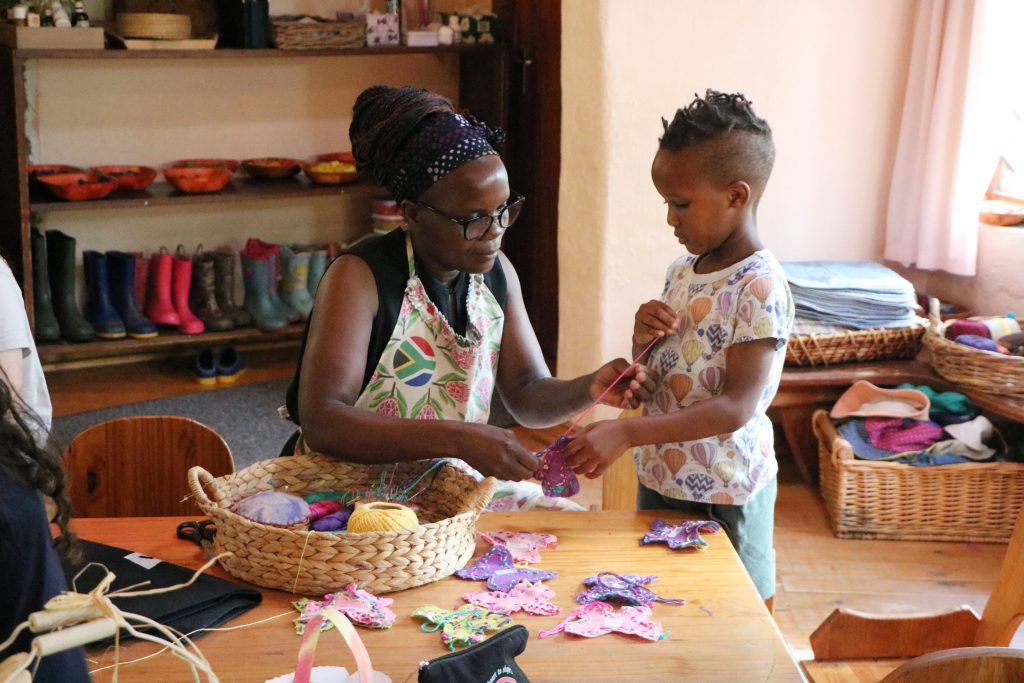
Imitation in education – We have dreams and hopes for our children that often extend beyond mimicry of our own lives. We hope they will do more, be more, and we define these “mores” in myriad ways. Yet the collective consciousness of “better” for a new generation persists, whether it is a desire for a better standard of living, better education, or a better world.
Read MoreTEACHING FOR TOMORROW: THE WALDORF WAY

We believe that capabilities such as independent thinking, entrepreneurship, and creativity will be important – so will emotional intelligence and social competence, alongside scientific, mathematical, and linguistic abilities. This holistic education that our students receive places them in good stead for the future.
Read MoreNurturing Conscious Individuals for an Evolving Society
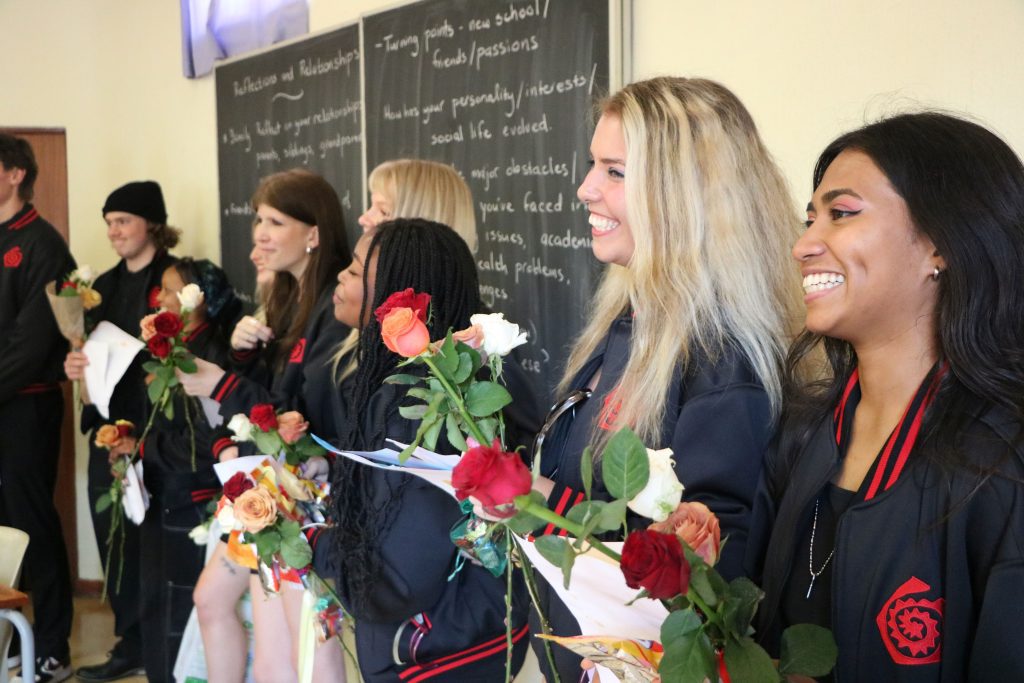
Some of the vital competencies which will be sought-after in the future include: a sense of imagination, intuition, social intelligence, adaptability, consciousness, independent thinking and idealism.
Read MoreRoutine and Rhythm: The Key to a Successful Transition to Preschool or Kindergarten
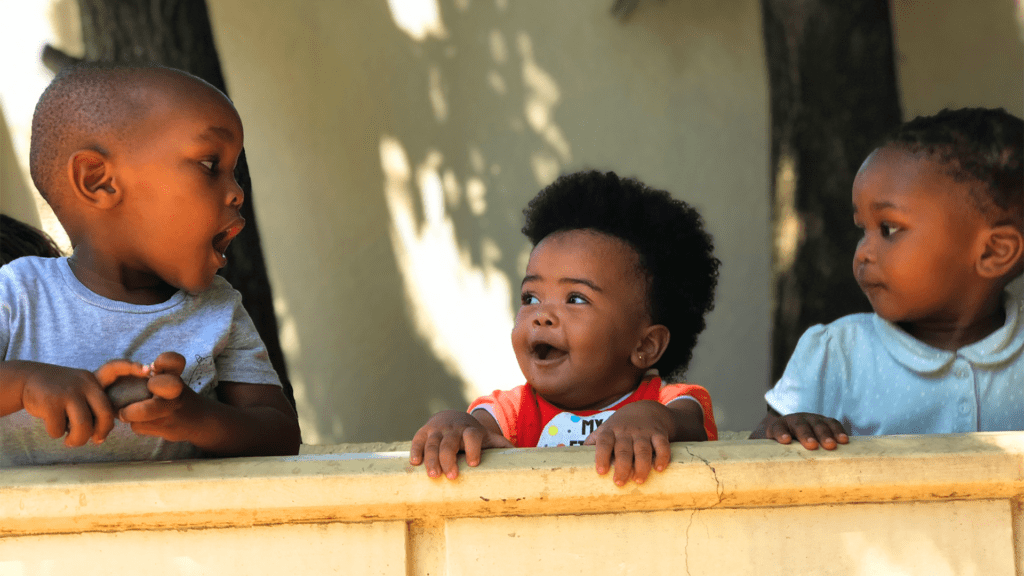
Routine and rhythm are the foundations of a healthy and joyful early childhood program. By following these two principles, you can ensure your child is set up for a much smoother transition to preschool and kindergarten.
Read MoreFostering Tomorrow’s Thinkers and Doers: How Waldorf Education Prepares Students for an AI-Driven World
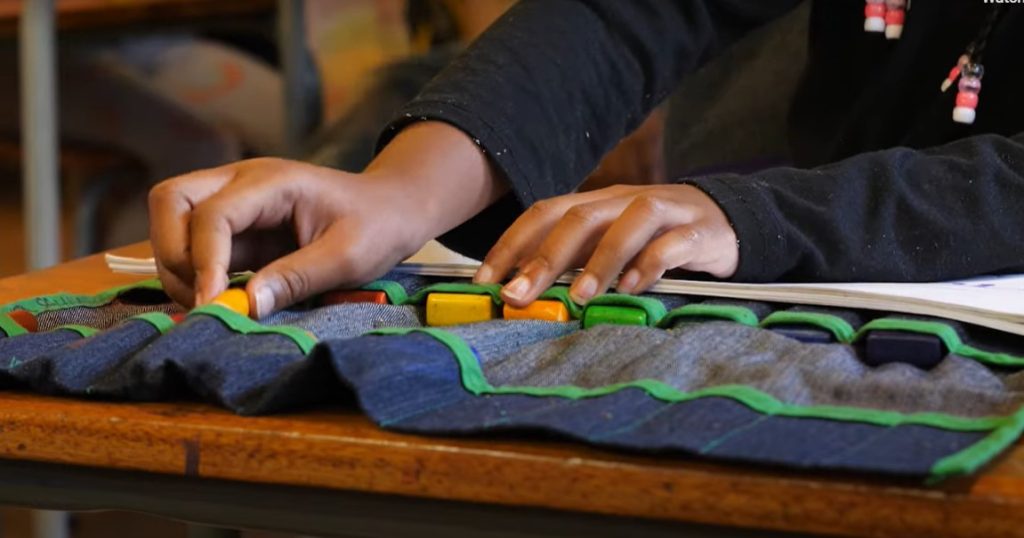
While AI is revolutionizing many aspects of life, the skills that will set future generations apart are profoundly human—creativity, critical thinking, and empathy.
Read MorePodcast, Episode 2: Age-Appropriate Learning, Class 1 to 4
It is highly beneficial for the child that each developmental stage or transition is mirrored by the content and experiences outlined in the curriculum. The children who feel met, seen, and understood then experience a sense of ‘belonging’ and they are able to move into a space of ‘becoming’, through age-appropriate learning.
Read MoreThe Introduction of Cyber Civics

Cyber Civics is a middle school curriculum, rooted in an understanding of child development, that prepares students to be ethical, confident, and empowered digital citizens. The lessons brought to the children this year have been lively, interactive, and full of good discussion and learning.
Read More