Primary School
6 — 14 years | Class 1 — 8
In the Primary School, the Waldorf curriculum is tailored in such a way that it meets the child at each developmental transition through the ages by focusing on age-appropriate learning. The story content and age-specific skill development works together with experiential learning and engages the children’s feelings. In doing this, it makes learning effortless, ignites a sense of wonder and interest in the world, and engenders a life-long love of learning.
The Class Teacher
One of our unique offerings is the ideal that the class teachers at Michael Mount are entrusted with their class from Class 1 to Class 8. This provides the children with a consistent guide through their schooling journey, allowing for continuity, stability, and a deep understanding of each individual. The teacher integrates formal academic learning with the individual needs of each child in their care. The Primary School years engage the emotions, developing empathy, imagination and creativity, and instilling confidence, curiosity, and seeds of resilience in preparation for the demands of the High School.
The Main Lesson
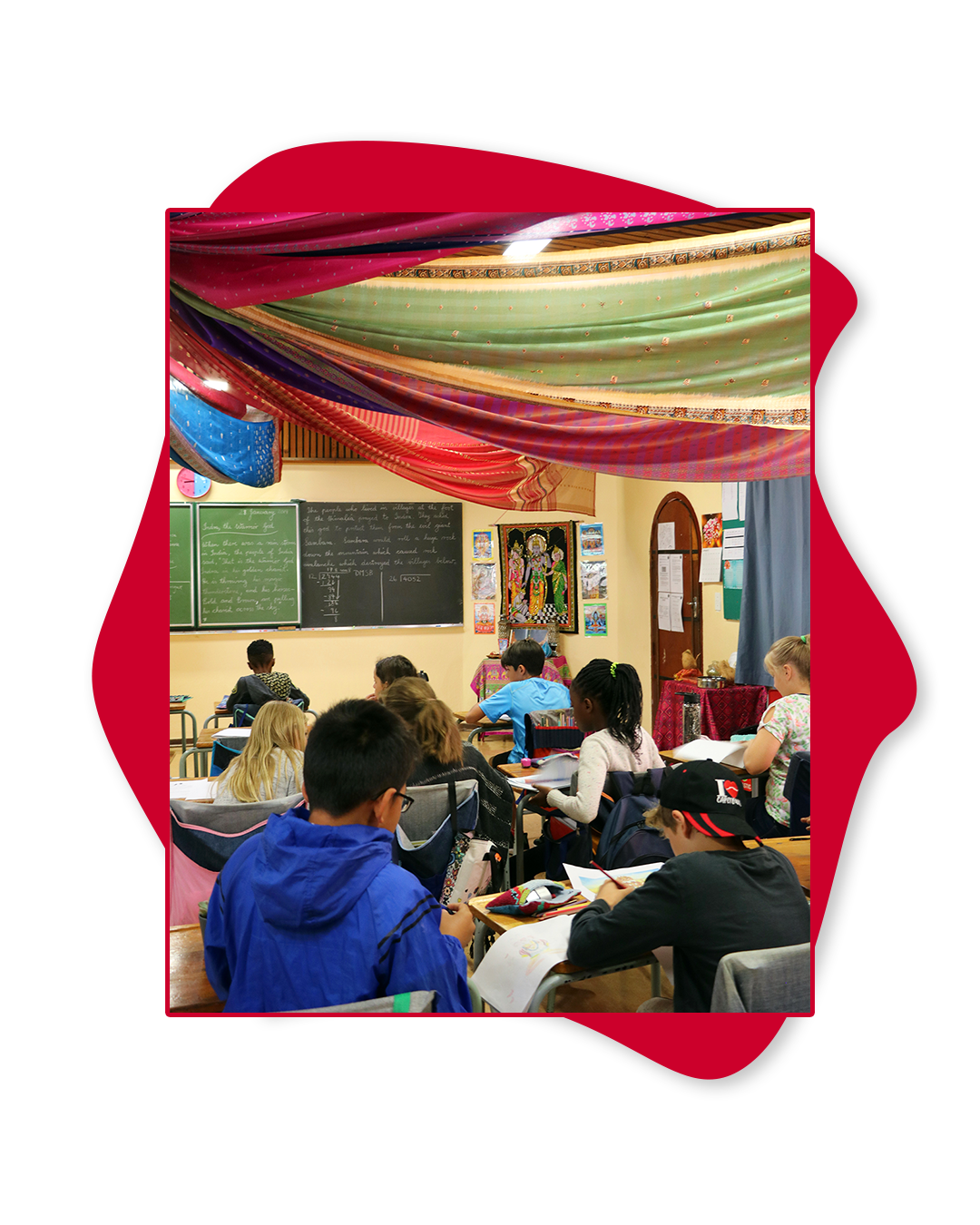
Another key element in our Primary School is the Main Lesson. Waldorf students start each day with their morning Main Lesson, which is a two-hour long lesson in which they spend time concentrating on one subject over a period of 3-4 weeks. This allows the children to become thoroughly immersed in a specific topic, exploring it through many mediums and avenues, creating a space for holistic learning.
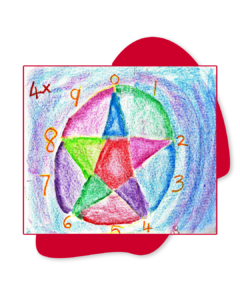
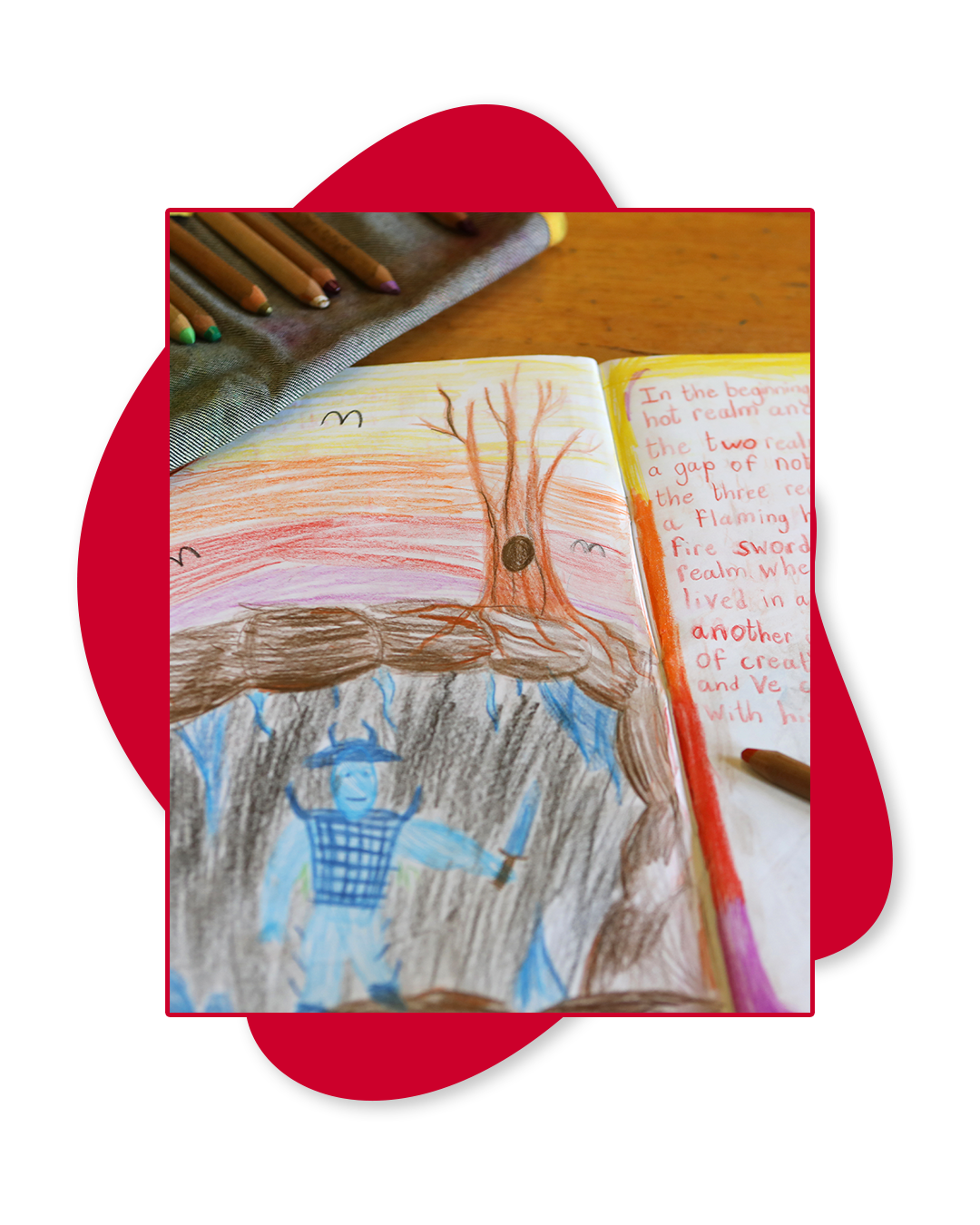
A product of these Main Lessons is the unique record of work the children create. The Main Lesson books are a compilation of handwritten notes and illustrations from the Main Lesson block. Creating these books instils within each child a sense of direct engagement with the material and allows them to comprehend and express the information in a format that suits them best. In addition, Waldorf students start to feel that they own the knowledge they are acquiring. This creates a sense of purpose, responsibility, and satisfaction.
A Holistic Education
Music, drama, handwork, poetry, art, craft, and rhythmic movement form part of the school day. While igniting the creative spark in our students, these practices also serve as a means to present school subjects in an impressionable way, simultaneously developing the child’s will, moral understanding, and awareness of their position in the world.
The children do not partake in formal testing or examinations in Primary School. Rather, the class teacher conducts continuous assessment of their students throughout the year. Children also receive limited homework as the full curriculum is covered in the school day.
A look at our curriculum
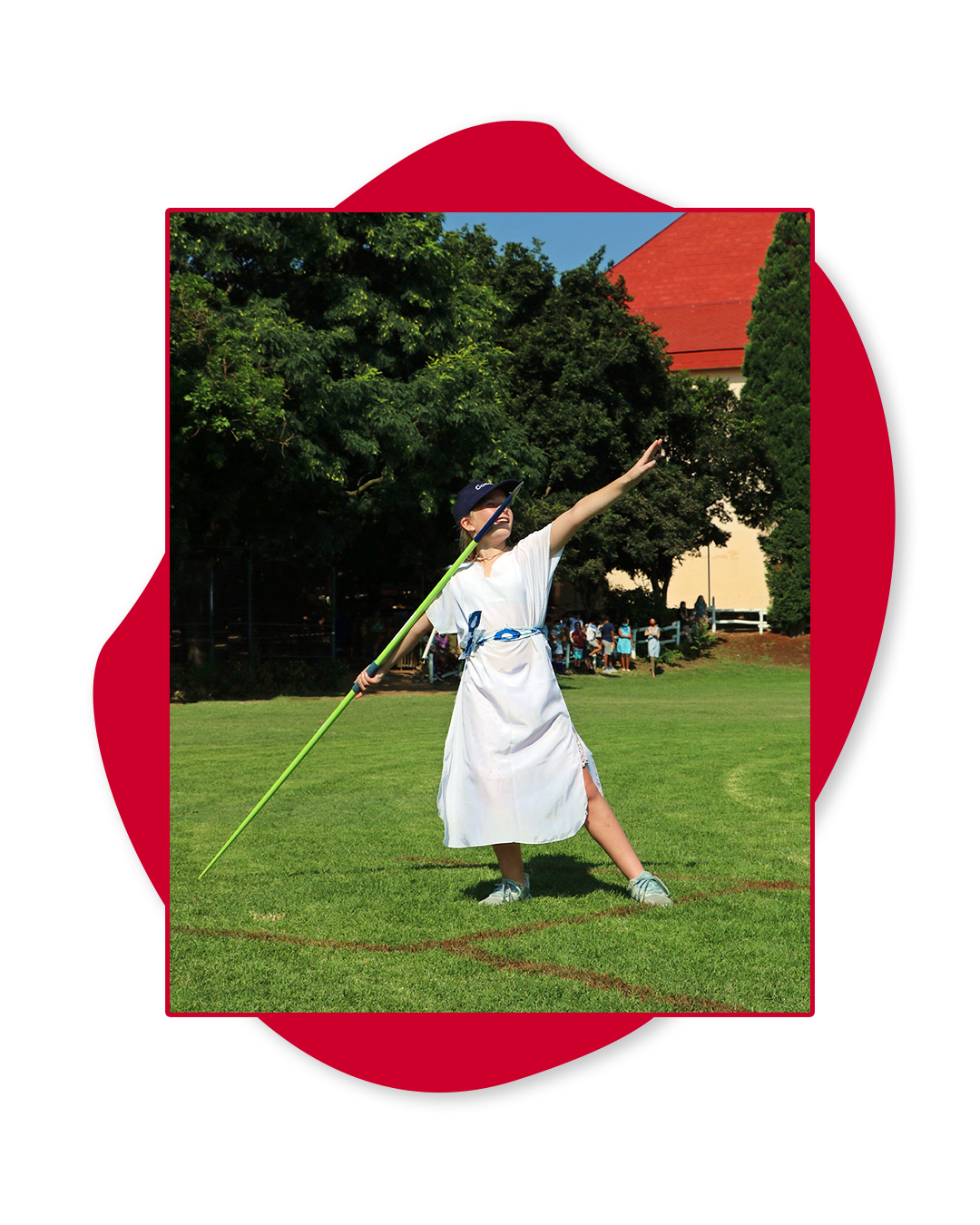
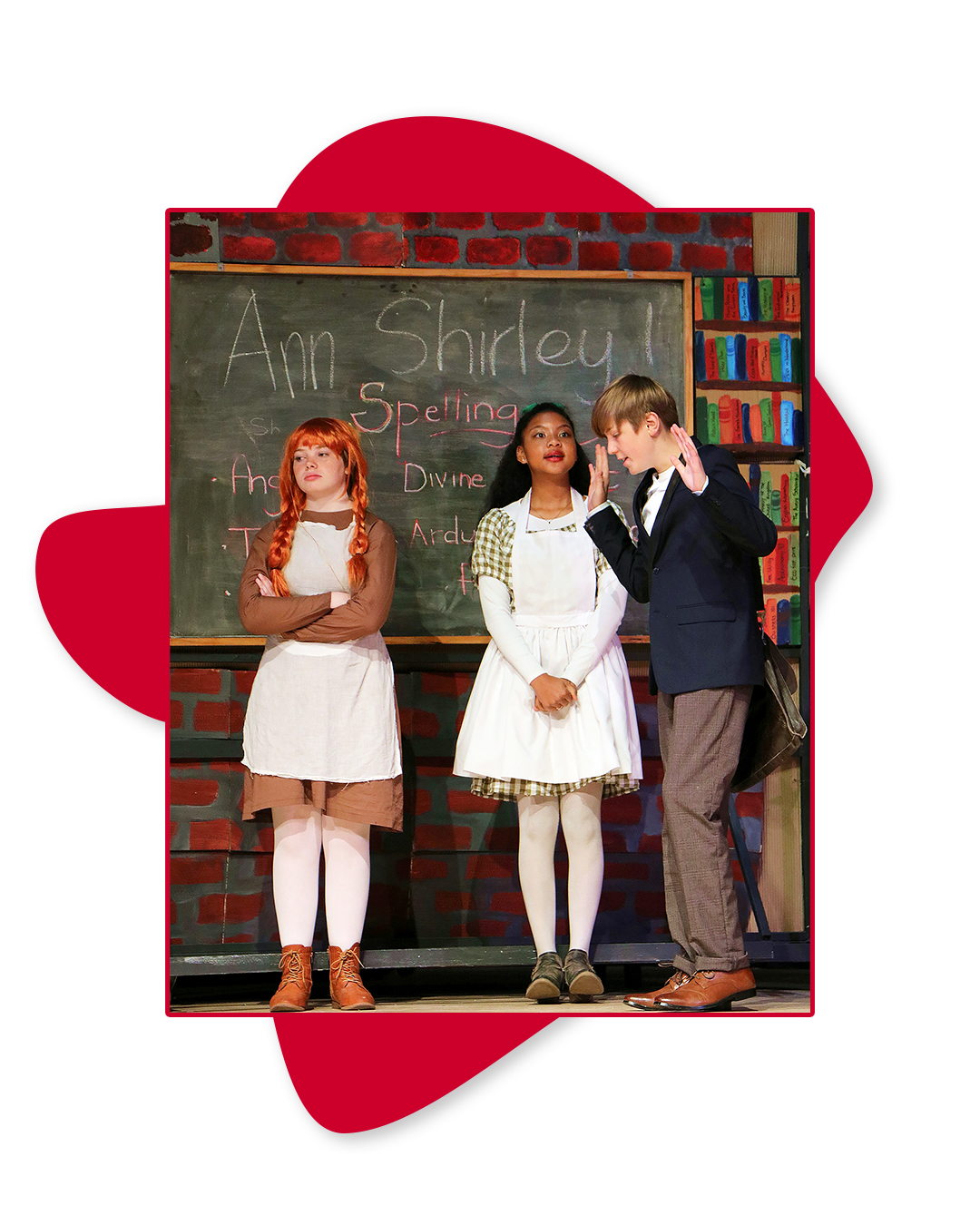
Alongside the developmentally specific content listed below, our children also engage in Afrikaans and isiZulu additional language lessons, present a yearly class play, and attend music (singing and recorder), eurythmy (a form of rhythmic movement), library, and sports lessons. They also attend craft, handwork, and woodwork lessons.
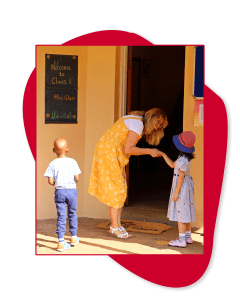
 Class 1 children live strongly in the realm of imagination and relate to the world through pictures and stories. Dry, abstract concepts that are delivered too early are hardening and limiting for the child. To meet the children at this developmental stage, all new concepts are introduced through story and are imbued with images. This appeals to their imagination and emotions and thus makes learning accessible.